










Latest Trends in End-to-End E-commerce Solutions
The digital marketplace has never been more competitive. With consumer expectations at an all-time high, simply listing products on a generic webpage is no longer enough to guarantee sales. Today, success requires a holistic approach to online store design, one that seamlessly blends aesthetics, functionality, and robust backend technology.
Whether you are launching a new brand or scaling an existing enterprise, understanding the current trends in end-to-end online store design is critical. Let’s explore the actionable strategies, design philosophies, and technical optimizations that are defining the next generation of e-commerce.
The Foundation of a Comprehensive E-commerce Strategy
A successful digital storefront doesn’t happen by accident. It is the result of meticulous planning and a deep understanding of your target audience. Rather than piecing together mismatched plugins and disparate software, modern brands are investing in end-to-end online store design. This holistic approach ensures that every touchpoint, from inventory management to the customer-facing interface, works in harmony.
For many businesses, achieving this level of cohesion means partnering with professional website design services. These experts can help navigate the complex technical landscape and ensure that the site scales seamlessly as the business grows.
One of the first critical decisions in this foundational phase is choosing the right platform. The debate of Shopify vs WooCommerce for beginners is a frequent starting point.
Whichever platform you choose, the goal remains the same: building a scalable architecture that supports your business objectives.
Crafting a Frictionless User Journey
Once the foundation is set, the focus shifts to how users interact with your site. Guiding a potential customer from the homepage to a specific product should feel effortless.
This logical grouping directly supports intuitive e-commerce site navigation. Your main menu should be clean, utilizing mega-menus only if you have a vast catalog. Provide clear pathways, breadcrumbs, and sticky headers so users always know where they are and how to get back.
Designing for the Modern Shopper
Mobile commerce continues to shape the industry. However, simply having a responsive site is no longer sufficient. Designing a mobile-first shopping interface requires rethinking the entire layout for touch interactions. This means utilizing thumb-friendly zones for primary calls to action, enlarging tap targets to prevent accidental clicks, and streamlining menus for smaller screens.
Designing for Conversion and Trust
First impressions matter immensely in e-commerce. The visual presentation of your site dictates how consumers perceive the quality and reliability of your brand.
The Ultimate Product Page
The product page is the moment of truth in e-commerce. A high converting product page layout is carefully engineered to answer customer questions while minimizing distractions.
Above-the-fold clarity: The product title, price, reviews, and a clear “Add to Cart” button should be visible without scrolling.
Compelling copy: Benefit-driven descriptions should be organized with bullet points for easy scanning.
Social proof: Customer reviews and ratings should be displayed prominently.
Equally important is optimizing high-quality product imagery. Customers cannot touch or feel the product, so your images must do the heavy lifting. Provide multiple angles, macro shots of textures, and a seamless zoom function. Ensure these images are compressed and served in next-generation formats like WebP to maintain crispness without bloating the page size.
Technical SEO and Performance Optimization
A beautiful store is useless if it is invisible to search engines or frustrating to use. The backend technicalities of your store are just as vital as the front-end design.
Perfecting the Checkout Process
The final hurdle in the e-commerce journey is the checkout. A significant amount of revenue can be lost at this stage due to friction, confusion, or unexpected costs. Adhering to ecommerce user experience best practices during checkout is essential for securing the sale.
The Future of E-commerce Design
The landscape of online retail will continue to shift as new technologies, such as augmented reality and AI-driven personalization, become more accessible. However, the core principles of successful e-commerce solutions will remain the same.
By investing in a complete, end-to-end design strategy, prioritizing the mobile experience, optimizing technical performance, and relentlessly focusing on user experience, brands can build digital storefronts that not only look spectacular but drive sustainable revenue. E-commerce is no longer just about selling a product; it is about delivering a seamless, trustworthy, and engaging experience from the first click to the final delivery.
Whether you are launching a new brand or scaling an existing enterprise, understanding the current trends in end-to-end online store design is critical. Let’s explore the actionable strategies, design philosophies, and technical optimizations that are defining the next generation of e-commerce.
The Foundation of a Comprehensive E-commerce Strategy
A successful digital storefront doesn’t happen by accident. It is the result of meticulous planning and a deep understanding of your target audience. Rather than piecing together mismatched plugins and disparate software, modern brands are investing in end-to-end online store design. This holistic approach ensures that every touchpoint, from inventory management to the customer-facing interface, works in harmony.
For many businesses, achieving this level of cohesion means partnering with professional website design services. These experts can help navigate the complex technical landscape and ensure that the site scales seamlessly as the business grows.
One of the first critical decisions in this foundational phase is choosing the right platform. The debate of Shopify vs WooCommerce for beginners is a frequent starting point.
-
Shopify
Shopify offers a fully hosted, out-of-the-box solution that handles security and hosting, making it ideal for those who want a hands-off technical experience. -
WooCommerce
WooCommerce, a powerful WordPress plugin, provides deep customization and ownership, appealing to those who want more control over their data and design.
Whichever platform you choose, the goal remains the same: building a scalable architecture that supports your business objectives.
Crafting a Frictionless User Journey
Once the foundation is set, the focus shifts to how users interact with your site. Guiding a potential customer from the homepage to a specific product should feel effortless.
-
Structuring Your Catalog
A confusing catalog is one of the fastest ways to lose a potential buyer. Mastering how to organize online product categories is an art form. Start with broad, universally understood parent categories and narrow down to specific subcategories. Use the MECE principle, meaning Mutually Exclusive and Collectively Exhaustive. Every product should have a clear, logical home without overlapping categories that confuse the user.
This logical grouping directly supports intuitive e-commerce site navigation. Your main menu should be clean, utilizing mega-menus only if you have a vast catalog. Provide clear pathways, breadcrumbs, and sticky headers so users always know where they are and how to get back.
-
The Power of Search
Even with perfect navigation, many users prefer to bypass menus altogether. This makes effective search bar placement and filtering absolute necessities. The search bar should be prominently placed, typically at the top center or top right of the header, and be wide enough to accommodate long-tail queries. Incorporate predictive text, typo tolerance, and robust filtering options such as size, color, price, and brand.
Designing for the Modern Shopper
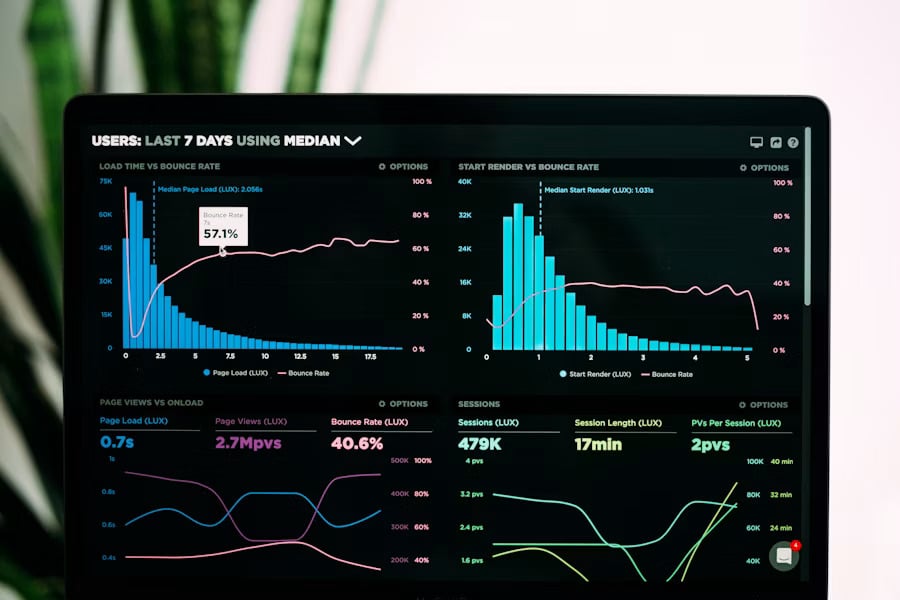
Mobile commerce continues to shape the industry. However, simply having a responsive site is no longer sufficient. Designing a mobile-first shopping interface requires rethinking the entire layout for touch interactions. This means utilizing thumb-friendly zones for primary calls to action, enlarging tap targets to prevent accidental clicks, and streamlining menus for smaller screens.

|
|
Designing for Conversion and Trust
First impressions matter immensely in e-commerce. The visual presentation of your site dictates how consumers perceive the quality and reliability of your brand.
-
Aesthetics That Sell
Building customer trust through web aesthetics involves creating a polished, cohesive visual identity. A cluttered, outdated site can signal unreliability, while a clean and consistent design helps reinforce confidence. -
Modern Visual Systems
Modern e-commerce typography and color palettes rely on legible fonts, generous whitespace, and bold contrast reserved for key actions such as “Add to Cart” or “Checkout.” -
Visual Storytelling
Lifestyle images, behind-the-scenes videos, and user-generated content help customers imagine how a product fits into their own life.
The Ultimate Product Page
The product page is the moment of truth in e-commerce. A high converting product page layout is carefully engineered to answer customer questions while minimizing distractions.
Above-the-fold clarity: The product title, price, reviews, and a clear “Add to Cart” button should be visible without scrolling.
Compelling copy: Benefit-driven descriptions should be organized with bullet points for easy scanning.
Social proof: Customer reviews and ratings should be displayed prominently.
Equally important is optimizing high-quality product imagery. Customers cannot touch or feel the product, so your images must do the heavy lifting. Provide multiple angles, macro shots of textures, and a seamless zoom function. Ensure these images are compressed and served in next-generation formats like WebP to maintain crispness without bloating the page size.
Technical SEO and Performance Optimization
A beautiful store is useless if it is invisible to search engines or frustrating to use. The backend technicalities of your store are just as vital as the front-end design.
-
Speed and Inclusivity
Fixing slow loading ecommerce pages is a mandatory step for improving both SEO visibility and conversion rates. Techniques like lazy loading, Content Delivery Networks, and minified CSS and JavaScript files can help create a faster shopping experience.
Adhering to web accessibility standards for e-retailers, such as WCAG guidelines, ensures that more people can shop on your site. This includes descriptive alt text, sufficient color contrast, and keyboard-friendly navigation. -
Speaking to Search Engines
Implementing semantic markup for product schemas helps search engines understand product details. Structured data can support rich snippets, such as price, availability, and star ratings, directly in search results. This extra visibility can improve click-through rates and bring more qualified traffic to your product pages.
Perfecting the Checkout Process
The final hurdle in the e-commerce journey is the checkout. A significant amount of revenue can be lost at this stage due to friction, confusion, or unexpected costs. Adhering to ecommerce user experience best practices during checkout is essential for securing the sale.
| Checkout Principle | Why It Matters |
| Offer Guest Checkout | Never force users to create an account before buying. Let them save details after purchase instead. |
| Remove Distractions | Checkout pages should remove unnecessary navigation links that could pull customers away from payment. |
| Show Progress | Progress indicators help users understand how many steps remain before completion. |
| Be Transparent | Display shipping, taxes, and additional costs as early as possible to prevent surprise fees. |
The Future of E-commerce Design
The landscape of online retail will continue to shift as new technologies, such as augmented reality and AI-driven personalization, become more accessible. However, the core principles of successful e-commerce solutions will remain the same.
By investing in a complete, end-to-end design strategy, prioritizing the mobile experience, optimizing technical performance, and relentlessly focusing on user experience, brands can build digital storefronts that not only look spectacular but drive sustainable revenue. E-commerce is no longer just about selling a product; it is about delivering a seamless, trustworthy, and engaging experience from the first click to the final delivery.


